Amenity Healthcare · Anxiety care
Understanding anxiety.
Find your next step.
When worry feels hard to switch off, you deserve support. Start with a conversation about what you’re experiencing and how it affects your daily life.
Recognize the patterns
What are common anxiety symptoms?
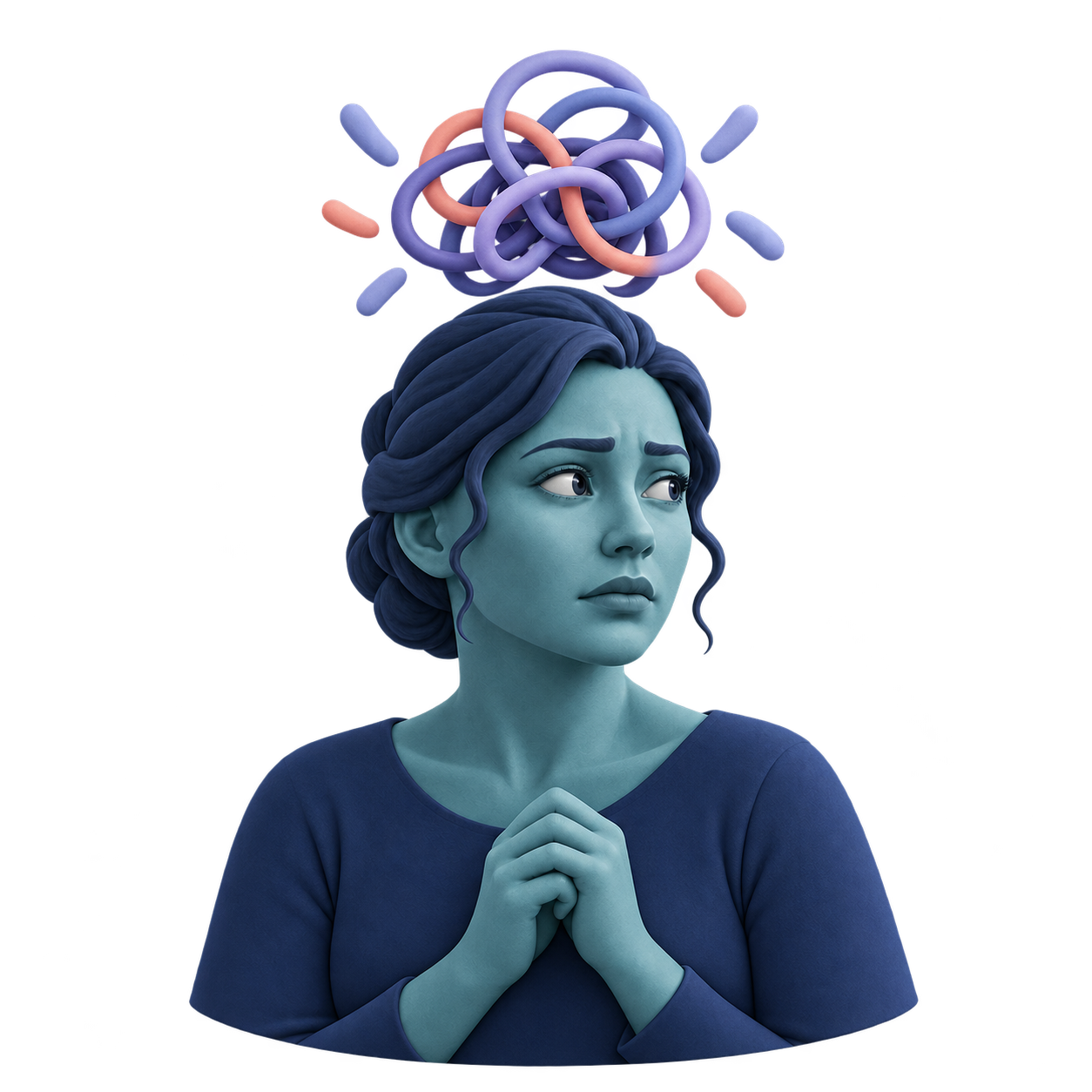
Anxiety can affect your thoughts, your body, and the way you move through your day. Symptoms vary with the type of anxiety.
Thoughts and feelings
- Worry that feels difficult to control
- Feeling on edge, restless, or irritable
- Trouble concentrating or relaxing
Physical symptoms
- Muscle tension or stomach discomfort
- A racing heart, trembling, or sweating
- Trouble sleeping or feeling tired
Daily experiences
- Avoiding situations because of fear
- Worrying about being judged by others
- Sudden episodes of intense fear or panic
These symptoms do not automatically mean you have an anxiety disorder. An assessment considers their pattern, impact, and other possible causes.
A clearer picture
How is anxiety assessed?
A healthcare provider considers your symptoms and health history. A physical examination may help identify other causes.
Let’s start with your story.
Talk about when symptoms began, how often they happen, and what feels hardest in daily life.
Review the whole picture
Discuss your health history and any other concerns that may help explain what you are experiencing.
Discuss your next steps
Review care options with your provider, including treatment or referral when appropriate.
Your next step
You don’t have to figure it out alone.
Contact Amenity Healthcare to request an appointment. Share your concerns and ask about assessment and next steps for anxiety.
Anxiety FAQs
A little more clarity
Explore common questions about anxiety, assessment, and support.
When should I seek help for anxiety?
Consider professional support when worry is difficult to manage or disrupts daily life. You do not need to wait until symptoms feel overwhelming to start a conversation. [5]
Are there different types of anxiety disorders?
Yes. These include generalized anxiety disorder, panic disorder, social anxiety disorder, and phobia-related disorders. The situations that trigger fear and the pattern of symptoms help distinguish them. [1]
Does having a panic attack mean I have panic disorder?
No. An isolated panic attack is not the same as panic disorder. Panic disorder involves repeated, unexpected attacks with ongoing concern about more attacks or changes in behavior because of them. [3]
Is social anxiety just shyness?
Social anxiety disorder goes beyond shyness. Fear of scrutiny, embarrassment, or negative judgment can make social situations difficult and lead to avoidance that interferes with daily life. [4]
What treatments can help?
Treatment may include psychotherapy, medication, or both, based on your needs and health history. Cognitive behavioral therapy (CBT) helps people work with unhelpful thoughts and behaviors. A meta-analysis of randomized trials found CBT improved anxiety-related symptoms compared with placebo conditions; individual results vary. [2] [6]
What can I do to support myself day to day?
Regular sleep, physical activity, time to unwind, and connecting with people you trust can support well-being. Try gentle breathing or journaling, and notice what helps. These habits can complement professional care. [5] [7]
What should I bring to an appointment?
Consider writing down your concerns, when they happen, and what you want help with. Bring a list of medications and supplements and any relevant health records so you can discuss them with your provider.
How do I get started with Amenity Healthcare?
Call (813) 773-1932 to request an appointment and ask about the next steps for an anxiety assessment.
Sources & further reading
- National Institute of Mental Health (NIH): Anxiety Disorders. Overview and types of anxiety disorders.
- National Institute of Mental Health (NIH): Generalized Anxiety Disorder—What You Need to Know. Symptoms, assessment, and treatment.
- National Institute of Mental Health (NIH): Panic Disorder—What You Need to Know.
- National Institute of Mental Health (NIH): Social Anxiety Disorder—What You Need to Know.
- Centers for Disease Control and Prevention: Managing Difficult Emotions.
- Carpenter JK, et al. Cognitive behavioral therapy for anxiety and related disorders: A meta-analysis of randomized placebo-controlled trials. Depression and Anxiety. 2018;35(6):502–514. doi:10.1002/da.22728. Free full text.
- Centers for Disease Control and Prevention: Managing Stress.
Sources accessed September 26, 2026. Educational information; an individual assessment is needed for diagnosis and treatment recommendations.